
Why Bathroom Renovations Add Value to Your Home
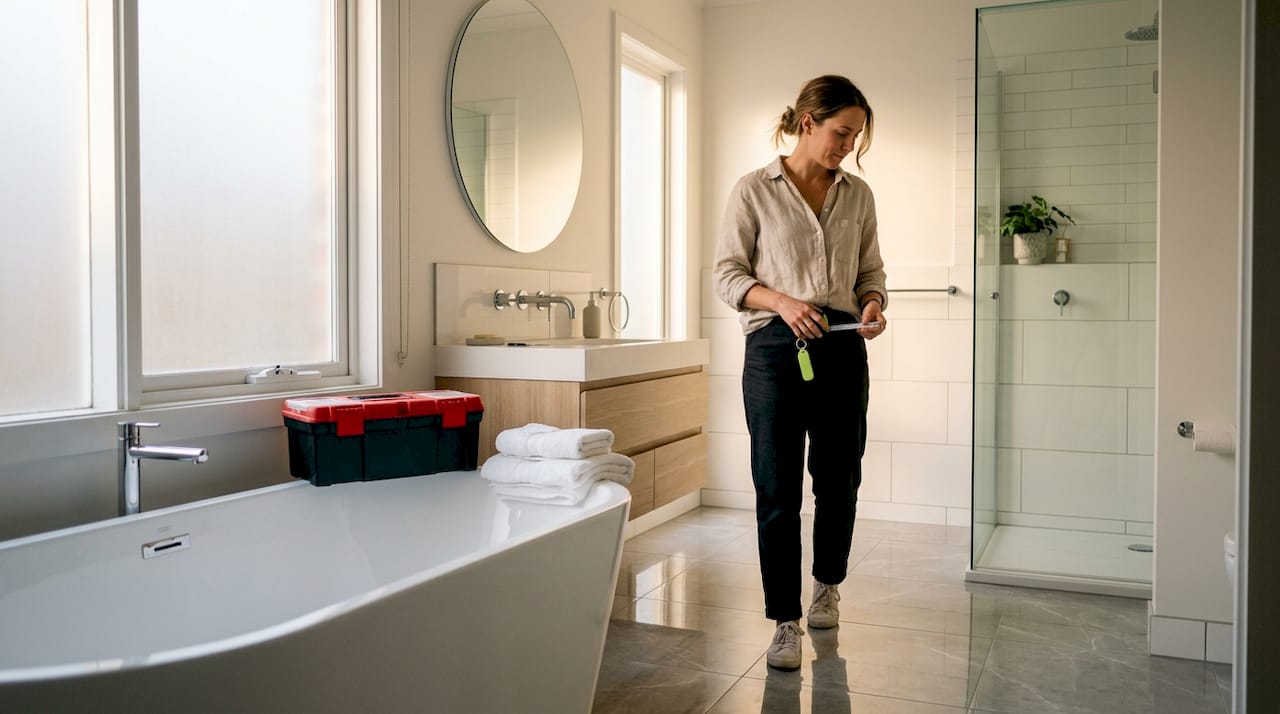
Bathroom renovations add value to a home by improving both function and visual appeal, making them one of the most financially rewarding upgrades a homeowner can make. Mid-range renovations typically return 50–70% of their cost in added property value, while cosmetic updates can yield even higher returns due to their low price point. The value extends well beyond resale. A well-planned bathroom upgrade reduces future maintenance costs, improves daily comfort, and makes your home more competitive in any market. Understanding why bathroom renovations add value is the first step toward spending your renovation budget wisely.
Why bathroom renovations add value: the ROI breakdown by tier
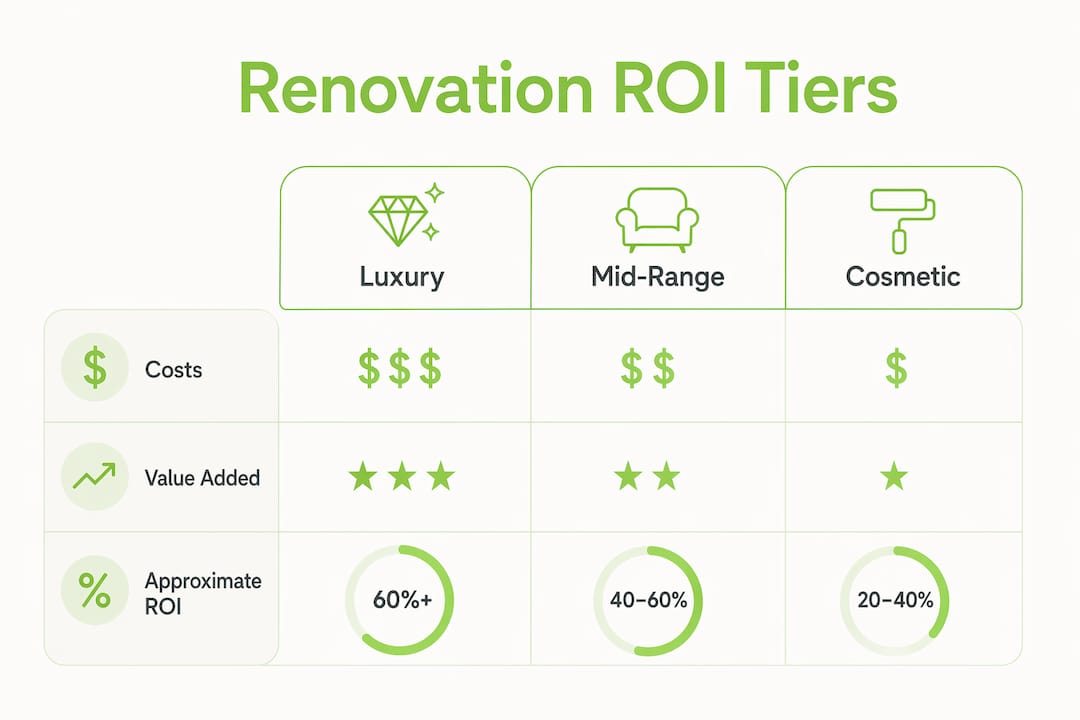
Not all bathroom renovations deliver the same return. The industry recognizes three broad renovation tiers: cosmetic, mid-range, and luxury. Each carries a different cost, scope, and expected return on investment.
Cosmetic renovations cover surface-level updates. Think new paint, a replacement vanity, updated tapware, and fresh tiles over existing ones. These projects typically cost between $5,000 and $12,000. Because the spend is modest, cosmetic updates can yield a 150–200% return by adding $10,000–$25,000 in perceived value. Buyers and renters respond strongly to a bathroom that looks fresh, even when the bones are unchanged.
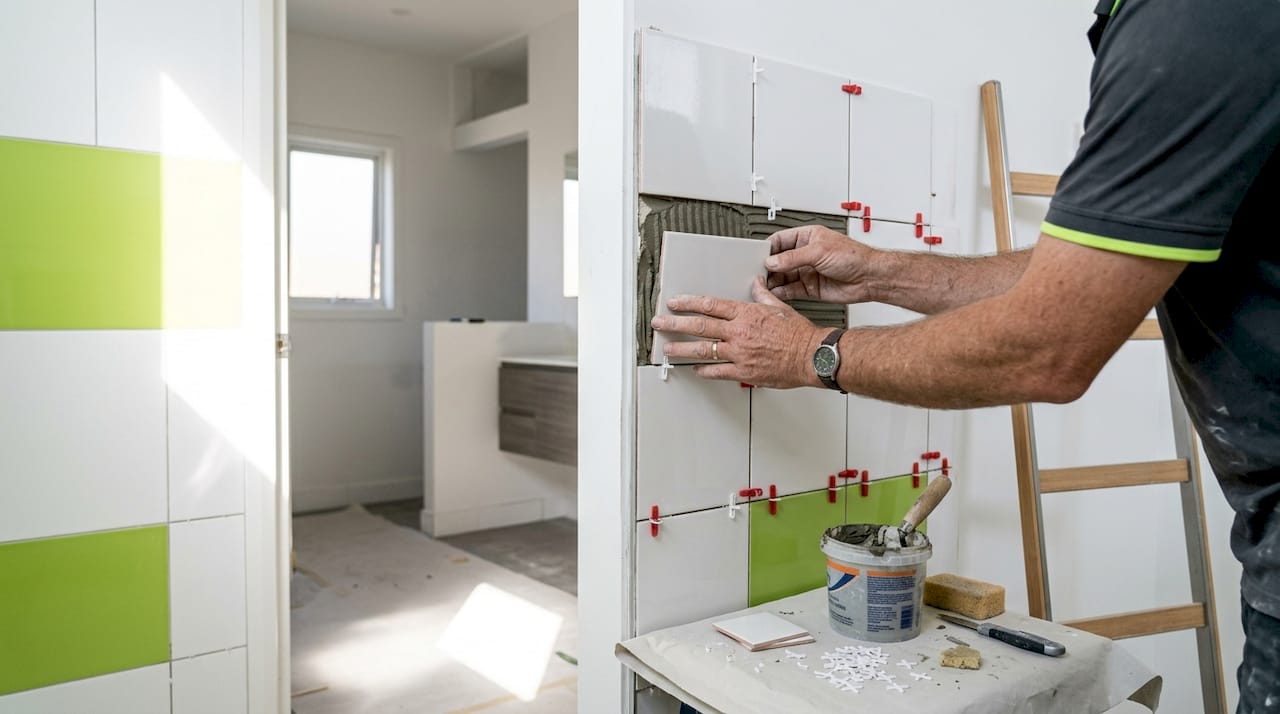
Mid-range renovations involve a full strip-out and replacement of fixtures, tiles, waterproofing, and fittings, while keeping the existing layout intact. Spend typically falls between $20,000 and $35,000. This tier adds $25,000–$50,000 in property value, producing a 50–70% ROI in most Australian markets, with high-demand metro areas reaching 60–80%. Mid-range renovations offer the best balance of cost and return for most homeowners.
Luxury renovations include heated floors, freestanding baths, custom joinery, and premium stone surfaces. Costs can exceed $55,000. The return, however, is not proportional. Luxury upgrades often deliver only 50–80% ROI and carry a real risk of overcapitalizing a mid-range property. A $60,000 bathroom in a suburb where homes sell for $800,000 will not add $60,000 to the sale price.
Renovation tier | Typical cost | Value added | Approximate ROI |
Cosmetic | $5,000–$12,000 | $10,000–$25,000 | 150–200% |
Mid-range | $20,000–$35,000 | $25,000–$50,000 | 50–70% |
Luxury | $55,000+ | Varies | 50–80% |
Adding a second bathroom to a home with only one is worth special mention. In most markets, this addition delivers a higher percentage return than upgrading an existing bathroom, because it addresses a genuine functional gap that buyers notice immediately.
Key factors that determine how much value a bathroom renovation adds
The tier you choose is only part of the equation. Several other factors determine whether your renovation adds real value or simply costs money.
Material quality and market alignment
The materials you select must match your home’s market segment. Real estate expert Andrew Winter advises against overcapitalizing by keeping renovation quality aligned with the property’s neighborhood and price point. Porcelain tiles and a quality floating vanity suit most mid-range homes. Marble and custom stone belong in prestige properties where buyers expect them.
Updated vanities, lighting, and fixtures contribute strongly to buyer perception and home value. A vanity upgrade costing $1,500–$4,000 often yields a return well above its cost because it is one of the first things a buyer sees and touches. Choosing materials that appeal broadly, rather than reflecting personal taste, protects your resale position.
Waterproofing and code compliance
Waterproofing is not optional. Waterproofing failures cause long-term structural damage and lead to repairs that far exceed the original installation cost. Hidden rot behind tiles or under a shower base can cost tens of thousands of dollars to remediate. Licensed waterproofing with a compliance certificate is a non-negotiable part of any bathroom renovation that aims to protect home value.
Scope creep and layout changes
Moving a toilet or relocating a shower requires new plumbing rough-in. That single decision can add thousands to your budget and reduce your overall ROI. Scope changes mid-project increase costs by 20–50% and erode the return you were targeting. Locking in your scope before demolition begins is one of the most effective ways to protect your budget.
Pro Tip: Get your full scope documented in writing before any work starts. If you want to change something mid-project, ask your builder for a written cost variation first. That pause alone prevents most budget blowouts.
Prioritize ventilation to prevent mold and moisture damage over time
Choose lighting that layers ambient, task, and accent sources for both function and appeal
Functional storage improvements often deliver better long-term value than purely decorative changes
How bathroom renovations improve daily living and reduce long-term costs
The financial return on a bathroom renovation is real, but it is not the whole story. The impact of a bathroom renovation on daily life is something homeowners feel every single morning.
Modern fixtures and thoughtful layouts reduce friction in your daily routine. A well-positioned vanity with adequate storage means no more cluttered countertops. A properly ventilated bathroom stays drier, smells better, and resists mold. These are not small things. They are the difference between a bathroom you tolerate and one you actually enjoy.
Updated plumbing and water-efficient fittings reduce utility bills over time. Dual-flush toilets, low-flow showerheads, and thermostatic mixers cut water consumption without sacrificing comfort. Over 15–20 years, these savings represent real money, alongside the avoided cost of emergency plumbing repairs on aging fixtures.
Quality waterproofing, done correctly the first time, prevents the kind of hidden water damage that silently destroys structural integrity. A bathroom renovation that includes licensed waterproofing is not just a cosmetic upgrade. It is a maintenance investment that protects the entire surrounding structure for decades.
The psychological benefit is worth naming directly. A bathroom that works well and looks good reduces daily stress. Homeowners who invest in a well-designed bathroom space consistently report higher satisfaction with their home overall. That sense of comfort and pride in your space is a form of value that does not show up on a property valuation but is felt every day.
Practical steps to plan a bathroom renovation that maximizes value
Good planning separates a value-adding renovation from a costly mistake. These steps reflect what experienced builders and homeowners have learned from real projects.
Define your goal first. Are you renovating for resale, for personal enjoyment, or both? The answer shapes every decision that follows, from material choice to scope.
Lock in your scope before demolition. Decide whether you are doing a cosmetic refresh or a full strip-out. Changing your mind mid-project is the single most common cause of budget overruns. Tier-drift from a cosmetic refresh to a layout change can increase your budget by 20–50%.
Budget a 15–25% contingency. A $20,000 quote commonly reaches $23,000–$25,000 after unforeseen costs like plumbing surprises, waste disposal, and temporary accommodation. Build that buffer in from the start.
Preserve the existing layout where possible. Keeping the toilet, shower, and vanity in their current positions avoids costly plumbing relocation. This single decision can save $3,000–$8,000 on a mid-range project.
Select materials with broad appeal. Neutral palettes, quality tapware, and durable tiles appeal to the widest range of buyers. Avoid highly personal choices if resale is a priority. For guidance on choosing the right materials, match your finishes to your home’s overall market position.
Plan your timeline realistically. Trade scheduling in Melbourne can add weeks to a project. Discuss sequencing with your builder early so you are not caught without a functioning bathroom longer than expected.
Hire licensed professionals and check references. Unlicensed work on waterproofing or plumbing creates compliance issues that surface at sale time. Ask for a builder’s license number and speak to at least two previous clients before signing a contract.
Pro Tip: If you are renovating for resale, visit open homes in your suburb before finalizing your finishes. See what buyers in your price range already expect. That 30-minute exercise can save you from spending money on features your market does not value.
For a broader view of how bathroom upgrades fit into a whole-home strategy, the renovation strategies that experienced builders recommend are worth reviewing before you finalize your scope.
Key Takeaways
Bathroom renovations add measurable financial value and daily comfort when the scope, materials, and budget align with the property’s market position.
Point | Details |
Cosmetic updates deliver the highest ROI | Spending $5,000–$12,000 on cosmetic updates can return 150–200% in added value. |
Mid-range renovations suit most homeowners | A $20,000–$35,000 full renovation adds $25,000–$50,000 in property value in most markets. |
Waterproofing protects long-term value | Licensed waterproofing prevents structural damage that can cost far more than the renovation itself. |
Scope creep is the biggest budget risk | Changing layout or plumbing mid-project increases costs by 20–50% and reduces ROI. |
Budget a contingency from the start | Add 15–25% above your quoted cost to cover plumbing surprises and unforeseen site conditions. |
What I’ve learned about bathroom renovations after nearly 20 years
After working on hundreds of Melbourne homes, I have seen the same pattern repeat. Homeowners who plan carefully and match their renovation to their market almost always come out ahead. Homeowners who let scope creep in, or who chase luxury finishes in a suburb that does not support them, often end up disappointed.
The financial return is real, but I think the daily comfort gain is underrated. A bathroom that works well, stays dry, and feels considered changes how you experience your home every single day. That is not a soft benefit. It is a genuine quality-of-life improvement that compounds over years.
The advice I give most often is this: do not renovate the bathroom you wish you had. Renovate the bathroom your home and your market actually support. A beautifully executed mid-range renovation in the right suburb will outperform an over-specified luxury fit-out every time. Align your ambition with your property’s position, and the numbers will work in your favor.
Planning is where most of the value is created or lost. The builders who deliver the best outcomes are the ones who spend the most time in the planning phase, before a single tile is removed. If you are considering a bathroom renovation, invest in that planning phase as seriously as you invest in the renovation itself.
— Matthew
Yorcon’s approach to bathroom renovations in Melbourne
At Yorcon, we have spent nearly 20 years helping Melbourne homeowners get bathroom renovations right the first time. We manage the entire process, from scope definition and material selection through to licensed waterproofing and final inspection, so nothing falls through the cracks. Our team understands how Melbourne’s property market works, which means we help you match your renovation to your home’s actual value position rather than overcapitalize.
If you are ready to plan a bathroom upgrade that adds real value to your home, our home renovation services cover everything from cosmetic refreshes to full strip-out renovations. We bring the experience, the licensed trades, and the project management to make your renovation worth every dollar.
FAQ
What is the average return on a bathroom renovation?
Mid-range bathroom renovations typically return 50–70% of their cost in added property value, with cosmetic updates reaching 150–200% ROI due to their lower spend.
Does adding a second bathroom increase home value more than upgrading an existing one?
Adding a second bathroom to a single-bathroom home generally delivers a higher percentage return because it addresses a functional gap that buyers notice and value immediately.
How do I avoid going over budget on a bathroom renovation?
Lock in your full scope before demolition begins and budget a 15–25% contingency above your quoted cost to cover plumbing surprises, waste disposal, and other unforeseen expenses.
Does waterproofing really affect home value?
Waterproofing failures cause hidden structural damage that can cost far more to repair than the original renovation. Licensed waterproofing with a compliance certificate protects both the structure and the property’s resale value.
Is a luxury bathroom renovation worth it for a mid-range home?
Luxury renovations in mid-range suburbs risk overcapitalization. Buyers in those markets will not pay a premium for finishes that exceed their expectations, which means the extra spend rarely returns at sale.
Recommended


